
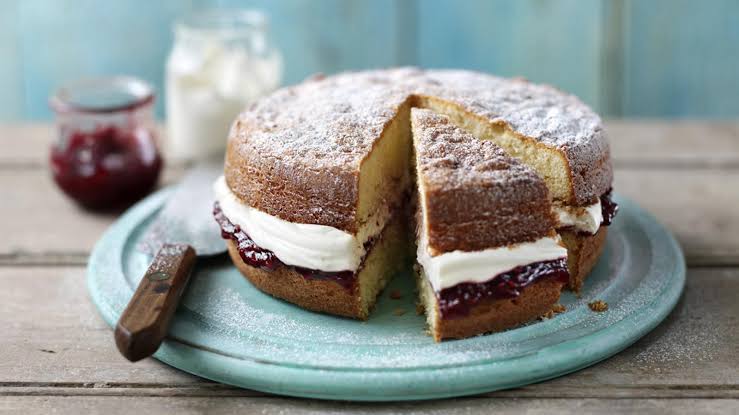
A light, airy cake with a delicate crumb is one of the most satisfying desserts to bake at home. However, creating a perfectly fluffy gluten-free sponge cake can seem challenging, especially when traditional recipes rely on wheat flour to provide structure and stability. Fortunately, with the right ingredients, proper mixing techniques, and careful baking methods, it is possible to achieve impressive height and softness without using wheat.
Whether you are baking for someone with gluten intolerance, preparing a dessert for a special celebration, or simply exploring alternative baking methods, understanding the science behind gluten-free baking can make a significant difference. A successful sponge cake should rise beautifully, feel tender when sliced, and remain moist without becoming dense or crumbly.
Understanding the Science of Gluten-Free Sponge Cake
Traditional sponge cakes often depend on whipped eggs to create their characteristic volume. When eggs are beaten, air becomes trapped inside the mixture, forming tiny bubbles that expand during baking. Heat causes the air and moisture to expand while the egg proteins gradually set, helping the cake maintain its structure.
Wheat flour contains gluten-forming proteins that contribute elasticity and support. Gluten-free alternatives do not provide the same network, which means bakers must rely on different ingredients and techniques to achieve similar results.
Rice flour, potato starch, tapioca starch, and cornstarch are popular choices for gluten-free baking. Each ingredient contributes different characteristics. Rice flour provides a neutral base, while starches help create a lighter texture and a more delicate crumb.
A carefully balanced combination can produce a sponge cake that rises evenly and feels surprisingly similar to a traditional wheat-based version.
Choosing the Best Gluten-Free Flour Blend
Selecting suitable flour is one of the most important steps in achieving a tall, fluffy cake. Not every gluten-free flour performs equally well, so the ideal choice depends on the recipe and the texture you want.
Rice Flour for a Neutral Foundation
Finely milled rice flour offers a mild flavor that allows vanilla, citrus, chocolate, and other ingredients to stand out. However, using too much rice flour can create a slightly gritty texture. Choosing a finely ground product helps produce a smoother batter and softer finished cake.
Cornstarch and Potato Starch for Lightness
Starches help reduce the heaviness associated with some gluten-free flours. Cornstarch can create a tender crumb, while potato starch helps retain moisture and contributes softness.
Combining rice flour with suitable starches can provide a useful foundation for a delicate sponge. A commercially prepared gluten-free cake flour blend can also be convenient, particularly when it has been formulated specifically for cakes.
When to Use Xanthan Gum
Xanthan gum is sometimes added to gluten-free flour blends to improve cohesion and reduce crumbling. However, sponge cakes rely heavily on egg structure, so additional gum is not always necessary. Too much may produce a gummy texture rather than an airy one.
Check whether your flour blend already contains a binder before adding more.
The Secret to Achieving Sky-High Fluffiness
The defining feature of an excellent sponge cake is its volume. Since gluten-free flour cannot develop a traditional gluten network, incorporating and preserving air becomes especially important.
Whip Eggs Until They Reach the Right Stage
Eggs are the primary source of lift in many classic sponge recipes. Depending on the method, whole eggs may be whipped with sugar, or egg whites may be beaten separately to create a meringue.
When whipping whole eggs, continue until the mixture becomes pale, thick, and noticeably increased in volume. A ribbon of batter should briefly remain visible on the surface when lifted with a whisk.
For a separated-egg method, beat the whites until they form glossy peaks that hold their shape without appearing dry or grainy. Gradually incorporating sugar helps stabilize the foam.
Room-temperature eggs often whip more readily than cold eggs, making them a useful choice when preparing a high-volume sponge.
Fold the Flour Gently
Once the eggs have been whipped, the batter contains thousands of small air bubbles. Aggressive stirring can destroy these bubbles, resulting in a cake that rises poorly or collapses after baking.
Sift the gluten-free flour mixture before adding it. Then use a spatula to fold the dry ingredients into the egg mixture in small additions. Move the spatula around the bowl and gently lift the batter from the bottom toward the center.
Stop mixing as soon as the flour is incorporated. A few careful folds are far better than vigorous beating at this stage.
A Reliable Method for Preparing Gluten-Free Sponge Cake
A basic vanilla sponge provides an excellent starting point for experimenting with gluten-free ingredients.
Ingredients
- 4 large eggs at room temperature
- 120 grams of caster sugar
- 80 grams of finely milled rice flour
- 40 grams of cornstarch
- 1 teaspoon of vanilla extract
- A small pinch of salt
- A little oil or butter for preparing the pan, if appropriate for your recipe
Preparation Steps
1. Prepare the oven and pan. Preheat the oven to approximately 170°C (340°F). Line the base of an appropriately sized round cake pan with baking parchment. Avoid greasing the sides heavily if your chosen sponge method depends on the batter climbing the pan.
2. Whip the eggs and sugar. Beat the eggs with the sugar until the mixture becomes thick, pale, and voluminous. This may take several minutes with an electric mixer.
3. Sift the dry ingredients. Combine the rice flour, cornstarch, and salt, then sift them together to remove lumps and introduce some air.
4. Fold the mixture. Add the flour blend in two or three additions, folding gently after each addition. Incorporate the vanilla without knocking out too much air.
5. Transfer the batter. Pour the mixture into the prepared pan and level the surface carefully. Avoid tapping the pan repeatedly against the counter, as this may release valuable air bubbles.
6. Bake until set. Bake for approximately 25–35 minutes, depending on the pan size, oven, and batter depth. The cake should appear lightly golden, spring back gently when touched, and be set in the center.
7. Cool carefully. Let the cake cool according to the requirements of your recipe. If the sides need to be released, run a thin knife around the edge after the appropriate cooling period. Avoid handling the warm sponge too roughly because its structure is still delicate.
Common Mistakes That Reduce Cake Height
Even a well-designed gluten-free recipe can fail when small details are overlooked.
One common mistake is using an inaccurate flour measurement. Too much flour makes the batter heavy, while too little may leave the cake unable to support its own height. Weighing ingredients with a kitchen scale is generally more reliable than measuring by volume.
Another problem is overmixing. Once the flour enters the whipped eggs, excessive stirring removes air and reduces the cake’s potential volume.
Opening the oven door too early can also cause trouble. Sudden temperature changes may interrupt the setting process and encourage the center to sink. Wait until the cake is close to fully baked before checking it.
Finally, avoid underbaking. A sponge that looks finished on the outside may still have a weak center. Follow the recipe’s timing while checking for visual and tactile signs of doneness.
Flavor Variations for Every Occasion
A simple gluten-free sponge can become the foundation for many different desserts. For a refreshing option, add lemon zest and pair the finished cake with fresh berries. Vanilla sponge also works beautifully with whipped cream and sliced strawberries.
For chocolate lovers, replace a small portion of the flour blend with unsweetened cocoa powder, adjusting the liquid balance if necessary. Almond extract can create a delicate nutty aroma, while orange zest offers a bright citrus flavor.
For birthdays and celebrations, divide the cooled sponge into layers and fill it with buttercream, fruit preserves, or stabilized whipped cream. Always check that flavorings, fillings, decorations, and other packaged ingredients are gluten-free when preparing a cake for someone who must avoid gluten.
Keeping Your Sponge Cake Soft and Fresh
Gluten-free baked goods can dry out more quickly than conventional cakes, depending on their ingredients. Allow the sponge to cool completely before storing it in an airtight container. This helps limit moisture loss and protects the delicate crumb.
A plain sponge can generally be kept at room temperature for a short period if the environment is cool and dry. Cakes containing cream, custard, or other perishable fillings should be refrigerated according to food-safety guidance.
For longer storage, wrap the completely cooled cake securely and freeze it. Thaw it while wrapped to help preserve moisture. Avoid leaving sliced pieces uncovered, as their exposed surfaces can become dry.
Conclusion
Creating a sky-high gluten-free sponge cake is entirely achievable when you understand how ingredients and baking techniques work together. A balanced flour blend, properly whipped eggs, gentle folding, accurate measurements, and controlled oven temperatures all contribute to a light and stable result.
Although gluten-free baking requires attention to detail, it also offers plenty of opportunities to experiment with textures and flavors. Start with a reliable recipe, make adjustments gradually, and observe how each change affects the finished cake.
With practice, you can produce a sponge cake that rises beautifully, slices cleanly, and delivers the delicate softness expected from an excellent homemade dessert—all without wheat.
