
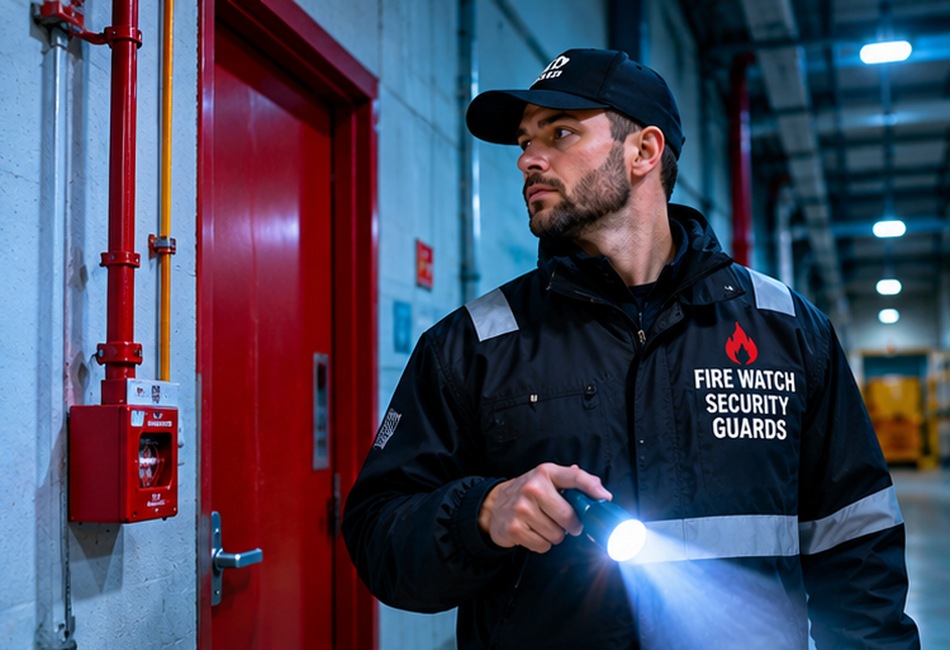
Why Coordinated Patrols Matter for Fire Safety
Large commercial properties, warehouses, industrial facilities, and construction sites may contain several areas that require regular observation during temporary fire safety arrangements. Coordinated patrols help ensure that assigned locations receive appropriate attention and that important observations are communicated to the responsible personnel. Without clear instructions, different shifts may overlook specific areas or duplicate tasks while other locations receive insufficient attention.
A well-organized patrol plan should reflect the property’s layout, current activities, access restrictions, and identified hazards. Managers should establish which locations require observation and explain how personnel should report concerns. Patrol arrangements should not be based on guesswork or a routine route that ignores changing site conditions. Instead, they should be reviewed whenever construction activities, equipment status, occupancy, or other relevant circumstances change.
Assessing the Property Before Creating Patrol Routes
Before creating patrol routes, property representatives should review the building layout and identify areas that may require attention. These could include production floors, storage rooms, loading docks, electrical rooms, mechanical spaces, stairwells, and temporary work zones. The assessment should also consider locations where combustible materials are stored or where maintenance activities may introduce heat, sparks, or other potential ignition sources.
Fire Watch Security Guards should receive clear information about the locations included in their assignment, along with any relevant access instructions. Managers should identify restricted areas, entry procedures, and locations where additional precautions may be necessary. A site map or written patrol instructions can help personnel understand the property more efficiently. Accurate information also helps supervisors evaluate whether the planned route is suitable for the actual assignment.
Identifying High-Priority Observation Areas
Not every part of a property presents the same fire risk. Areas involving hot work, temporary electrical equipment, combustible storage, or ongoing repairs may require particular attention under the site’s safety plan. Managers should work with qualified safety personnel to identify the locations that need observation and establish the appropriate procedures. The priority should be based on the actual hazards rather than assumptions about a building’s general layout.
Observation requirements may also change during the day. A maintenance area could become more active when contractors arrive, while a storage section may receive new materials during a delivery period. Supervisors should communicate these changes before they affect the patrol assignment. If a new hazard is identified, the responsible personnel should review whether additional controls or changes to the observation plan are necessary.
Establishing Clear Patrol Instructions
Patrol instructions should explain the areas to be observed, the expected reporting process, and any restrictions that apply to the assignment. Personnel should understand where to begin, which locations are included, and whom to contact if they cannot access a designated area. Instructions should also identify relevant emergency procedures and explain how urgent concerns must be reported.
Written guidance can be especially useful when several people share responsibility for the same property. A consistent set of instructions helps reduce differences between shifts and provides a reference when supervisors need to review performance. However, written routes should not prevent personnel from reporting unexpected hazards outside the usual patrol path. Any observation that suggests an immediate safety concern should be communicated through the established emergency process.
Planning Shift Handoffs Without Information Gaps
Shift handoffs are important when temporary fire watch coverage continues across several hours or days. Incoming personnel should receive information about the current site conditions, active work areas, reported concerns, and any changes to the original instructions. The handoff should provide enough detail for the next shift to understand what has happened and which issues still require attention.
A structured handoff can include the locations observed, relevant times, notifications made, and unresolved matters that need follow-up. Supervisors should establish a consistent method for transferring this information, whether through written logs, approved digital records, or direct briefings. Important updates should not depend entirely on informal conversations. A reliable process helps maintain continuity and reduces the chance that a significant concern will be missed during a personnel change.
Maintaining Consistent Communication With Supervisors
Fire watch personnel should know which supervisor or designated representative is responsible for receiving routine updates and urgent reports. Communication methods may include radios, approved phone systems, or written reporting channels, depending on the property and assignment. The selected method should be practical for the work environment and available throughout the required coverage period.
Supervisors should also communicate changes in site conditions promptly. Examples include a new maintenance activity, a relocated work area, a change in building occupancy, or the restoration of an impaired fire protection system. Personnel should not be expected to continue following outdated instructions when the assignment has materially changed. Clear communication allows the patrol plan to remain aligned with current conditions and applicable safety procedures.
Recording Patrol Observations and Important Events
Accurate records help organizations understand how patrol coverage was performed. Depending on site procedures, a patrol log may include the date, time, area observed, relevant findings, and any notification made to management. Reports should be factual and specific enough to help another person understand the condition being described. Vague entries can make it difficult to determine whether an issue requires further attention.
Records should also distinguish between routine observations and matters requiring follow-up. If personnel identify an obstruction, damaged equipment, an unusual condition, or another concern, the report should identify the location and the person notified. Supervisors can then determine what action is appropriate. Consistent documentation supports communication between shifts and provides useful information when management reviews the temporary safety arrangements.
Coordinating Patrols Around Active Work Activities
Construction, renovation, equipment maintenance, and hot work can change the conditions of a property throughout the day. Patrol planning should account for these activities and the locations where they take place. Managers should communicate work schedules and permit conditions to the people responsible for coordinating fire watch coverage. This helps ensure that the observation plan reflects actual operations rather than an outdated building layout.
When work moves to a different area or a new activity begins, the responsible supervisor should review the existing instructions. Contractors should report changes that may affect fire prevention measures, access, or observation responsibilities. Where a hot work permit or other authorization is required, it should be managed through the applicable site procedure. Patrol coordination should support these controls rather than replace them.
Preparing for Emergencies During Patrol Coverage
Personnel assigned to fire watch should understand the property’s emergency communication and response procedures. They should know how to report a fire or other urgent concern, identify the location clearly, and notify the designated contacts. Building-specific instructions may also cover evacuation routes, assembly points, restricted areas, and procedures for contacting emergency services.
Training should match the responsibilities assigned to each person. Fire watch personnel should understand the limits of their role and should not attempt actions beyond their training or available equipment. If an emergency develops, they should follow the established response procedure and prioritize personal safety. Supervisors should ensure that emergency contacts and communication methods remain available throughout the assignment, including overnight and weekend shifts.
Reviewing Patrol Effectiveness and Improving Handoffs
After a temporary fire watch assignment, managers can review patrol records, handoff notes, reported concerns, and feedback from personnel. This review may reveal that certain locations need clearer instructions or that information was not transferred consistently between shifts. It can also help identify scheduling problems, communication delays, or access issues that affected the assignment.
The findings should be used to improve future planning. Managers may update patrol maps, revise reporting procedures, provide additional briefings, or adjust shift handoff practices. Regular reviews help keep temporary fire safety arrangements connected to the property’s current needs. By combining organized patrols, clear communication, and accurate records, organizations can support more consistent observation and strengthen coordination across multiple shifts.
